India: A voyage of culture, nature and ancient heritage in the form of tourism.
India is not only a nation, but a experience and one that is unbelievably diverse with the color and culture, traditions and landscape to a point that it becomes almost unreal. India has evolved into one of the dynamic and highest-quality sectors of tourism, appealing to tourists all over the world and visiting the country in search of history, spirituality, adventure, cuisine, etc. The real uniqueness of India is that after every several hundred kilometers, the language is different, the food is different, people are telling different stories and the land possesses another identity. That is why tourism in India is so intense and memorable, the whole of it is so deep and layered.
A Land of Timeless Heritage
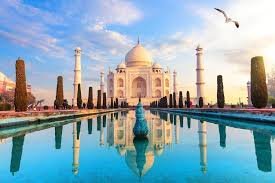
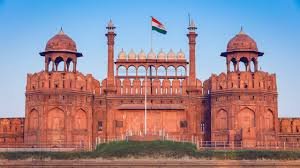
India is a country that had a traditional background. There are magnificent monuments such as the Taj Mahal, Qutub Minar, Red Fort, Hawa Mahal, and Khajuraho Temples that are silent markers of the fine Indian history. These monuments are not only the places that receive millions of tourists annually but also show the architectural genius and the emotional richness of the country. The Taj Mahal is not merely a monument, as an example of that, but rather an international icon of affection and religious devotion. Dynamically, the old caves of Ajanta and Ellora put in perspective the artistic perfection of India centuries ago.
A visit to these historical sites is like reading a stalk of history book. Tourists tend to claim that the more they get acquainted with the heritage of India, the more they want to learn about it, as each dynasty, each region enriches the long and interesting history of India with a new chapter.
India Cultural Tourism: The Heart and Soul of India.
Whenever one mentions India in terms of tourism, culture would be at the forefront. India is the land of numerous festivals, traditions, classical forms of dances, folk music, and spiritual practice, which compose a mosaic of Indian culture. As it is Diwali north, Durga Puja east, Navratri west, Pongal south, all festivals display the happiness, solidarity and plurality of India.
The daily cultural life of India with its colorful markets, local handicrafts, local cuisines, ritual in the temples, and colorful street life can often engross the tourists. Places such as Varanasi, Jaipur, Kolkata, Kochi and Chennai also provide immersion into the culture that makes the travellers feel richer and connected. To most visitors, India is a country that they get to know, forget and revisit the world through tales, customs, and human hospitality.
Spiritual Tourism: The way to Peace in the Soul.
Some of the greatest spiritual traditions have originated in India such as Buddhism, Hinduism, Jainism and the Sikh religion. This causes the nation to be among the most significant spiritual centers in the world. Millions of people go to such locations as Varanasi, Bodh Gaya, Amritsar, Rishikesh, and Tirupati to gain inner peace, blessings, or even to gain a better insight of the spiritual identity of India.
Rishikesh is the Yoga Capital of the World which is visited by world seekers who visit the Ganga to meditate or learn yoga with the aid of the skilled gurus. The place where Lord Buddha achieved enlightenment is Bodh Gaya, which renders a peaceful atmosphere to every pilgrim. India is a country of equality and compassion, which is manifested in the Golden Temple in Amritsar, with a community kitchen that feeds thousands of people every day.
India is not only the spiritual tourism but it is also the self-discovery and emotional healing which is why many people come back.
Uncivilized Beauty of Nature and Adventure: India.
Outside of culture and history, India has been blessed with stunning natural sceneries. The country has snow capped mountains of Himachal and Kashmir, sunny beaches of Goa and Kerala; the country has it all to the different types of travelers.
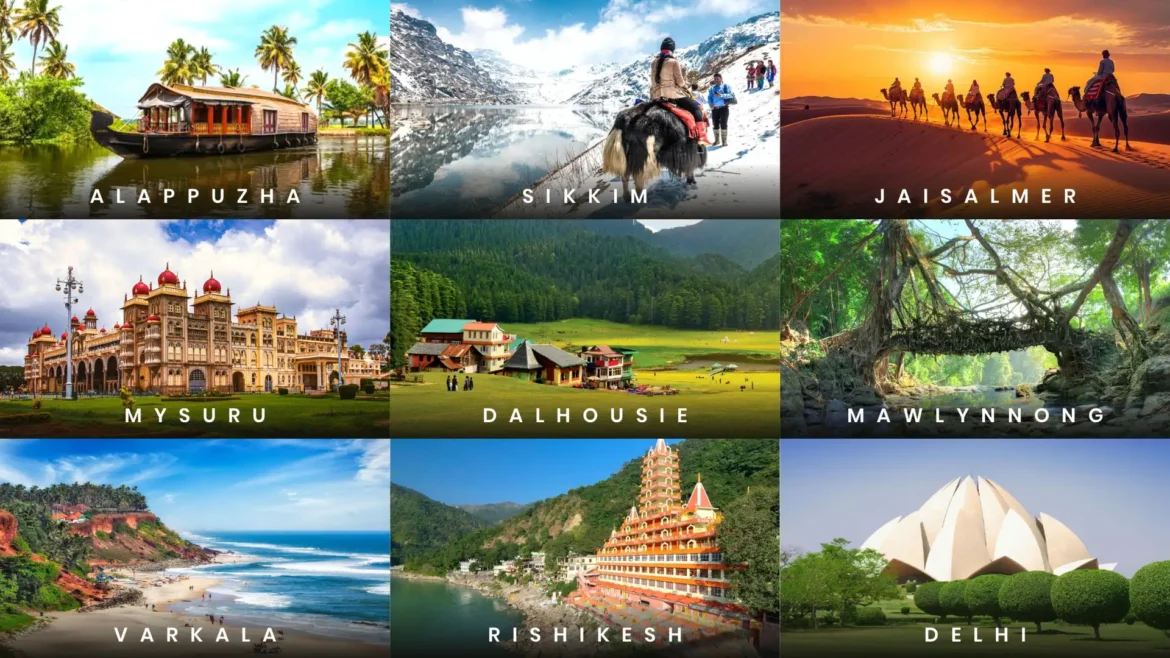
The Rajasthan deserts, Kerala backwaters, the living root bridges of Meghalaya, the green tea gardens of Assam are indicative of how wonderfully diverse India is actually. National parks such as Jim Corbett, Ranthambore, Kaziranga and Periyar are frequented by wildlife lovers to observe the grand biodiversity of India that has royal Bengal tiger and the one-horned rhinoceros among other colorful bird species.
India is also booming adventure tourism. The Himalayas, river rafting in Rishikesh, paragliding in Bir Billing, scuba diving in Andaman Island and skiing in Gulmarg are popular among thrill seekers who visit the countries in large numbers annually. Such escapades allow tourists to discover the other face of India that is crude, vibrant, and rich in nature.
Culinary Tourism in India: An Indian Delight.
Indian food is one of the best ways to comprehend India. Indian food is not only tasty, but it is a complete cultural tongue. In the north, it is butter chicken and chole bhature, the south dosas and idlis, the east fish curry and the west dhokla or pav bhaji. Pani puri, vada pav, momos, and chaat are the popular street foods that have become popular in other regions of the world since they are delicious, cheap, and so much fun to consume.
Indian culinary tourism has experienced an increase in speed and tourists visit local food markets, kitchens in the villages, spice plantations, and the traditional sweet shops. It is a great festival of diversity as India has a rich food culture including Punjabi cuisine, Bengali sweets, Gujarati thalis, and Kashmiri wazwan.
India: The Emergence of Modern Tourism.
India has over the years spent lots of money in enhancing the experience of traveling. The tourism industry has been enhanced through better connection, better infrastructures such as highways and airports, heritage restoration work, smart tourism, and eco-friendly tourism. The digital platforms and social media have also been significant in assisting travelers to find out the secret destinations and the local experiences.
Other states such as Kerala, Rajasthan, Goa, Himachal Pradesh, Uttarakhand and Tamil Nadu are among the states that attract millions of domestic and international tourists annually due to their active promotion of sustainable and inclusive tourism policies.
Why India Impresses Lastingly.
Indian tourism is not only a sight seeing tourism but also a tourism of emotions and human relations.Tourists just discuss how friendly the Indian people are, how easy life is in the village, how beautiful the Indian culture is, and how they belong, despite being so distant.India is not only capable of being somewhat chaotic and at the same time peaceful; it is also ancient and modern, spiritual and adventurous.
To lots of individuals visiting India becomes a journey of change.It transforms their perception of life, culture and humanity.That is the real magic of India.
Conclusion:-
Tourism in India is more than an economic sector—it is a living bridge that connects people to the country’s soul, history, and cultural heartbeat. India stands apart because it offers an experience that is both deeply personal and universally appealing. Every traveler who steps into India encounters a land where ancient heritage blends effortlessly with modern aspirations, where traditions thrive alongside innovation, and where nature unfolds in breathtaking forms—from the rugged Himalayas to the tranquil backwaters of Kerala.
What makes India’s tourism truly special is its diversity. Few countries in the world can offer spiritual depth, architectural grandeur, wildlife richness, and culinary variety all at once. Whether it is walking through the sacred ghats of Varanasi, exploring forts in Rajasthan, sipping tea in Assam’s green valleys, or relaxing on Goa’s beaches, India invites tourists into a world that feels endlessly fascinating. Each state, each city, and even each village has its own identity, story, and charm that adds to the nation’s collective beauty.
Additionally, the warmth and hospitality of Indian people create an emotional connection that travelers rarely forget. The sense of belonging, the genuine smiles, the cultural curiosity, and the open-hearted nature of India make every journey feel meaningful. Tourism here is not just about places—it is about moments, encounters, and experiences that leave lasting impressions.
As India continues to develop its infrastructure, promote sustainable practices, and revive its cultural heritage, the future of tourism looks even brighter. The country is steadily becoming a global travel hub, offering safe, enriching, and soul-touching journeys to all. In essence, tourism in India is a celebration of diversity, humanity, and timeless beauty—an invitation that welcomes the world to discover the heart of India.