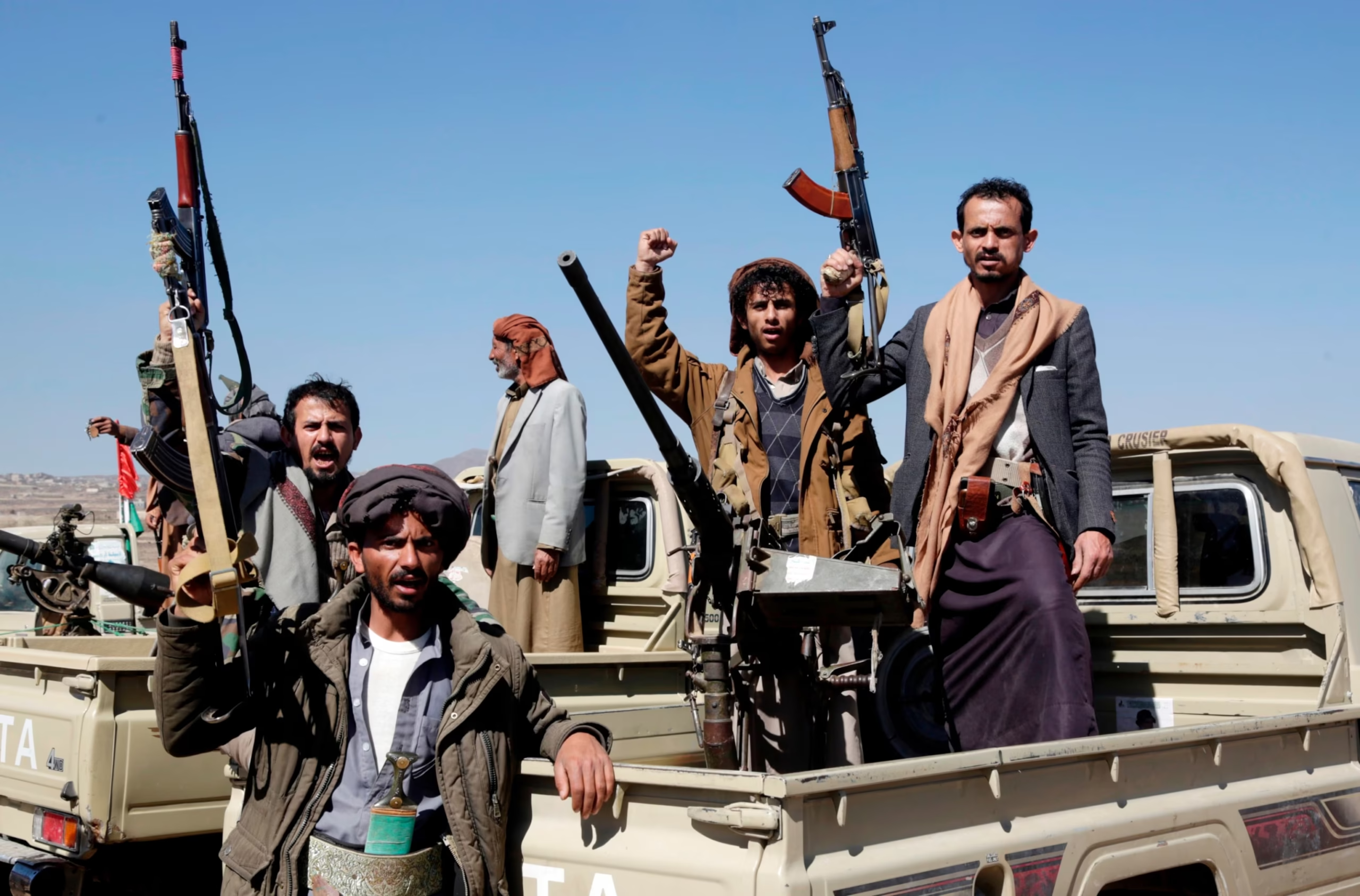
Terrorism: A Menace that is still defining the contemporary world.
Terrorism is presently one of the most disturbing facts of our day. As the world has grown in terms of technology, connectivity and international collaboration, the dark cloud of terrorism has remained to disrupted peace and destabilize societies. The fact that terrorism can destroy not only physically, but the psychological fear it leaves is what makes it especially bad. It is a wave that attacks any time, it mostly attacks innocent individuals and it survives on anarchy, segregation, and hatred. Terrorism in its essence is an act of violence aimed at instilling fear either politically, religiously, or ideologically.
However, behind this bare definition there are untold tales of grief, broken homes, broken societies and countries who are compelled to revise their methods of looking after their citizens. Terrorism needs to be viewed beyond the headlines and an attempt should be made to understand how it develops and why it develops as well as what can be done to prevent it without interfering with the basic human rights.
Transforming the Face of Terrorism.
Terrorist groups previously tended to act locally and their motives were either local grievances or political pressures. In the current world, with technology, it is easy to send extremist ideas across the borders. International terrorist organizations have been able to recruit members at an international level, shape people remotely, and organize attacks with disastrous expertise due to the emergence of the internet. Another increasing threat is cyberterrorism, in which digital attacks can either bring down power systems, steal sensitive information, or affect other important services. Terrorism has been decentralized too. Rather than big and organized networks, individuals who are inspired by extremist ideologies now perpetrate many attacks.
These are the so-called lone-wolf attackers, who are hard to trace and prevent since they usually act without leaving much evidence. It is this erratic aspect that has made terrorism such a challenging issue to governments and security agencies the world over. The Anthropocentrism of Terrorism.
Human cost of terrorism is the most devastating in terms of its heartbreaking aspects.
All attacks result in broken lives whereby parents lose their children, children without parents and survivors who have physical and emotional scars that they carry over the years. Terrorism generates the fear in the communities in the long term besides the short-term loss. Individuals start to feel insecure in the open areas such as the markets, malls or even the transport networks. Confidence between communities may be lost and mistrust may be established. There are also economic effects of countries that have witnessed numerous terrorist attacks.
Tourism is reduced, foreign investment decreases and the governments have to spend massive sums of money on security rather than development. Military and intelligence requirements tend to dominate over schools, hospitals and infrastructure projects. This forms a loop of fear and instability slows progress and societies become even more difficult to make headway. Why Terrorism Is not diminishing.
The most important question many people ask themselves is: Why does terrorism still prevail in an era where the majority of the people have been yearning to enjoy peace? The response is not that simple, since there is no single cause of terrorism. It also does well in various settings such as the regions prone to political instability, areas affected by poverty or those plagued by social injustice and discrimination. The extremist groups usually exploit the weak people who are feeling neglected, oppressed, or hopeless.
They provide illusion of meaning or self, they make people believe that the only solution is violence to introduce some change. In some instances, political or religious ideologies are misunderstood and distorted to become dangerous accounts.
Also, unresolved disagreements, either in terms of territory, culture or politics, provide ripe environments to terrorism. When citizens lose the hope in peaceful ways out, there is a group of extremists who come in and offer themselves as the champions of justice, yet their means are contrary to the entire idea of justice. The International Terrorism Response. The problem of terrorism cannot be addressed by an individual nation. The world has become more cooperative in the years.
Countries exchange intelligence, tighten border security and collaborate to bring down terrorist organizations. The international organizations also make an important contribution in assisting the countries in designing strategies to avert radicalization and counter extremist propaganda.
The governments at the national level are interested in the enhancement of surveillance, law enforcement, and early-warning systems. But combating terrorism cannot be only about military or technological action.
It is also connected in terms of dealing with the underlying causes, which are inequality, lack of education, unemployment, and social exclusion. When individuals are given chances and a support system as well as having the liberty to voice their views peacefully, the power of extremist ideologies becomes ineffective.
Preventing Radicalization: A Community Supported Action.
Preventing radicalization prior to its occurrences is one of the most crucial matters regarding the fight against terrorism. Here, families, schools, religious institutions, and community leaders have a very crucial role to play. Youths who feel included, embraced, and listened to stand a big chance of being swayed by extreme thought. One of the most effective weapons to counter terrorism is education. Children will be in a better position to disapprove of hatred and violence when taught on how to think critically, have empathy and respect diversity.
Societies where there is a conversation between cultures and religions also assist in establishing trust and minimizing the likelihood of being divided and clashing. Online platforms and social media companies are now find themselves under more scrutiny, which is responsible in promoting extremism content. The internet cannot be fully controlled, but the proactive surveillance and tightening of the policies can lead to the minimization of dangerous propaganda.
The Tensions of Security and Freedom.
The struggle between the security and the freedom of an individual is one of the issues in addressing terrorism.
On one hand, they need to have a strong security measure; on the other hand, governments should not act against the fundamental human rights. Being over-surveilled, discriminating, or discriminating based on profiling might cause resentment and division which will, in turn, contribute to additional radicalization. Even during crisis time, democratic values should be maintained, as this is exactly what terrorists desire to achieve, such as the undermining of the principles of a free and open society.
A Jointly responsible Group.
Finally, terrorism is an issue of concern to all and hence it is our responsibility to ensure that we fight it. The governments, communities, and individuals should collaborate in ensuring that the environment is designed in a manner that extremism cannot thrive. Even such a simple behavior as tolerance promotion, suspicious activities reporting, victim support, or mental health awareness can help a lot. Terrorism can still be a challenge, although history has proven that societies are very strong. When society is united, when individuals will not allow fear to separate.
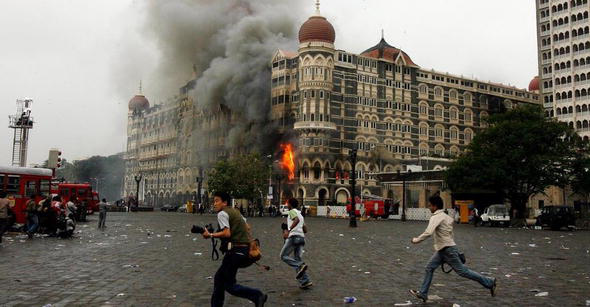
Conclusion
Terrorism remains one of the most complex threats of our time, but it is not unbeatable. By understanding its roots, supporting inclusive development, promoting education, and strengthening global cooperation, the world can move toward a safer and more peaceful future. The fight against terrorism is not just about preventing attacks—it is about protecting humanity, preserving dignity, and ensuring that fear never triumphs over hope.